When your crew is manually hoisting and dumping heavy totes all shift, it is only a matter of time before someone gets hurt or a load spills. A bin tipper takes that lifting motion out of human hands and replaces it with a controlled mechanical cycle, so your team stays safer and your line keeps moving. Bierman Equipment carries the SBT-360 bin tipper from Power Knot, and because we run this type of equipment in our own operation, we can walk you through real application guidance rather than just a spec sheet.
What Is the SBT-360 Bin Tipper?
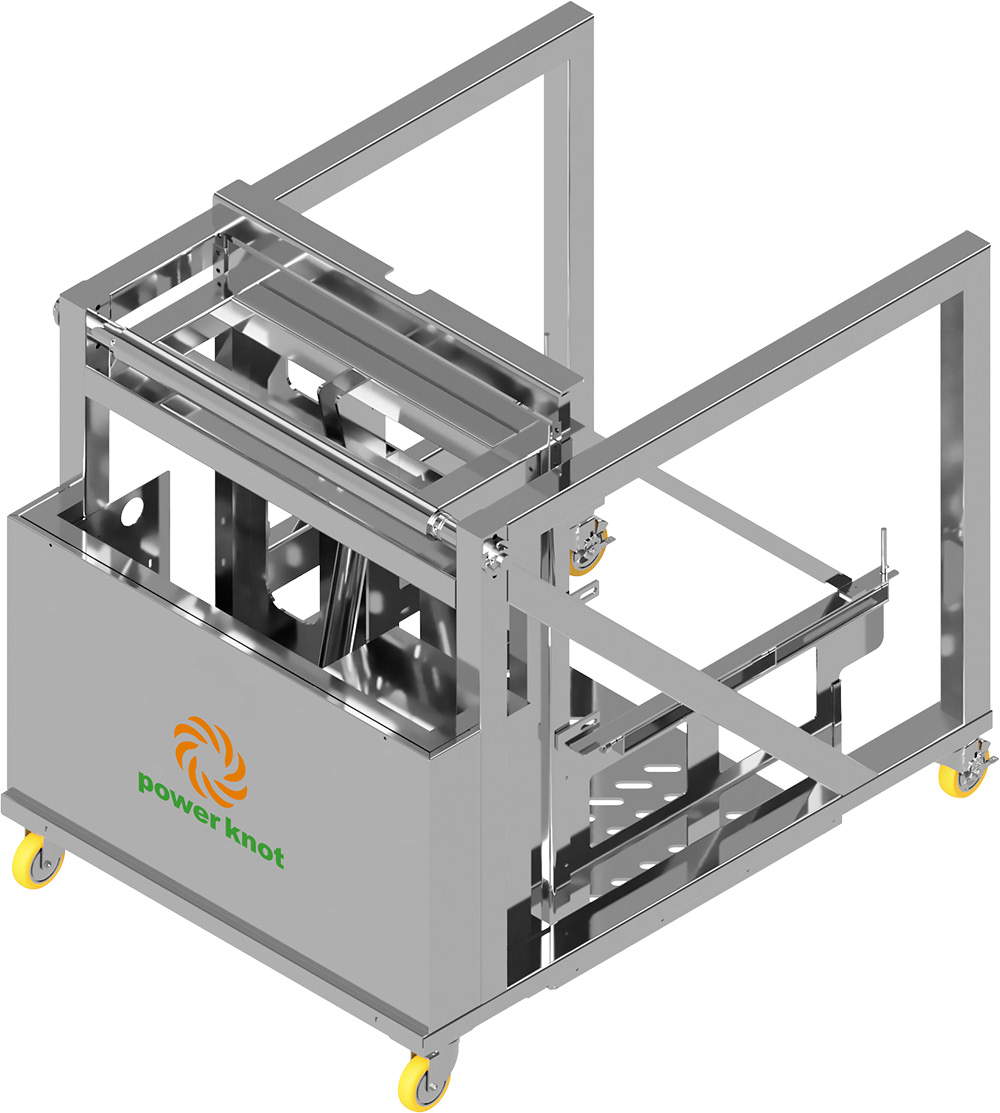
The SBT-360 is a self-contained, battery-powered bin tipper built to lift a loaded container and deposit its contents into a gaylord, hopper, or collection bin without a single manual lift. It is designed, developed, and assembled by Power Knot, and it is equally comfortable in food preparation, produce handling, and byproduct or waste collection settings where dense, heavy containers move through a facility all day long. As part of Bierman's feed mill and livestock equipment lineup, the SBT-360 handles the container and byproduct movement that comes alongside the rest of a facility's material handling setup.
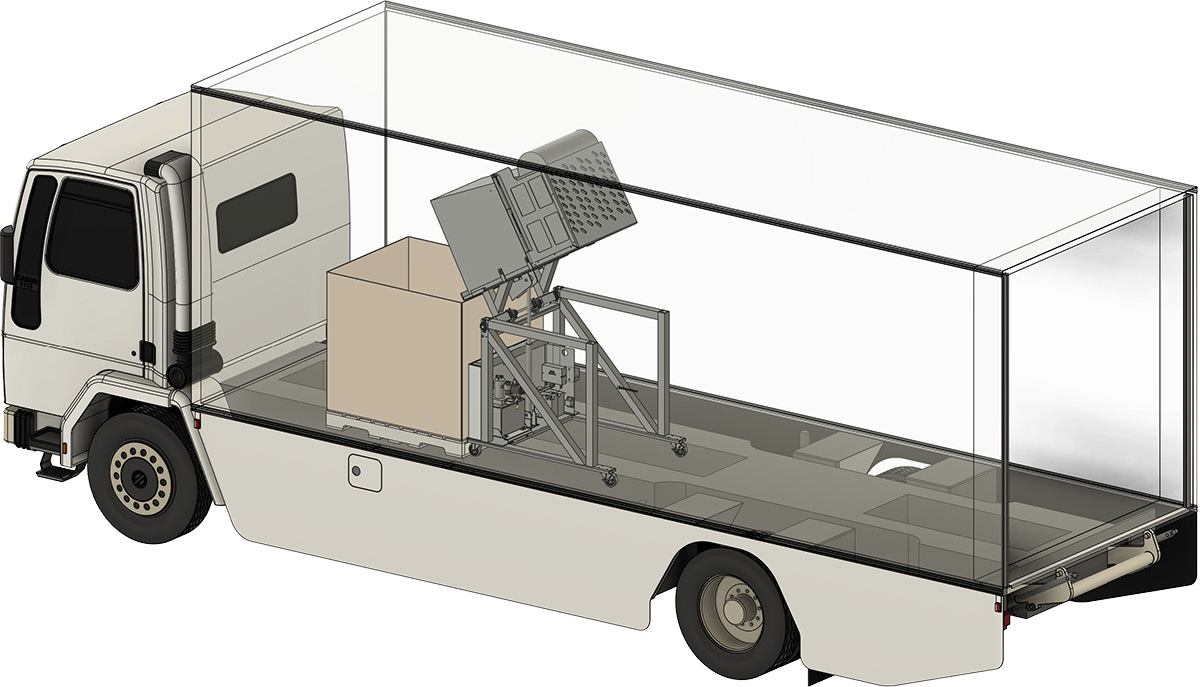
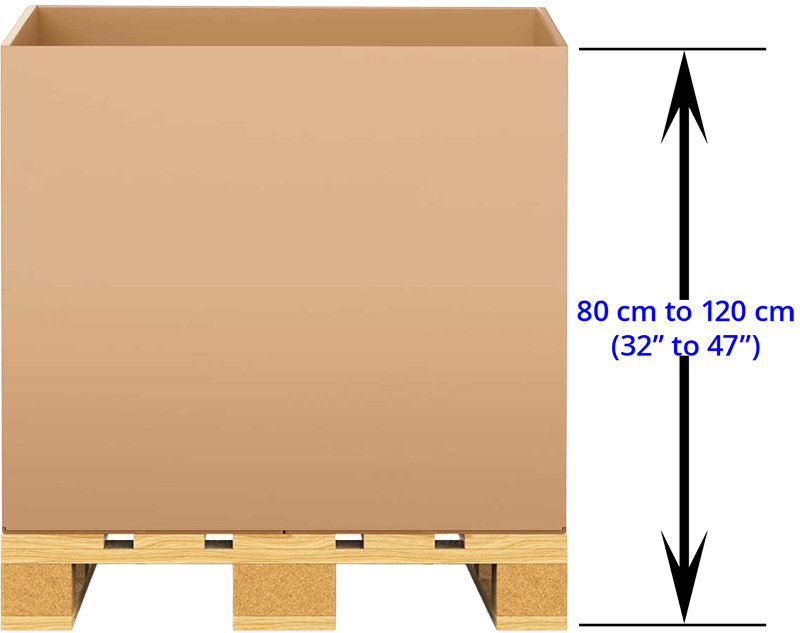
The machine lifts bins ranging from 90 liters to 360 liters (24 to 96 gallons) and can raise up to 140 kg (300 lb) of material to a discharge height of 80 cm to 120 cm (32 to 47 inches), which covers most standard gaylord and collection container heights. Because it runs on rechargeable batteries rather than a fixed hydraulic line, it can be positioned wherever the workflow needs it and moved between stations as production shifts.
Bin Tipper Capacity and Container Compatibility
Matching a bin tipper to your actual container size and load weight is the single biggest factor in whether the equipment earns its keep. The SBT-360 is built around a specific window of use:
Handles containers from 90 to 360 liters (24 to 96 gallon capacity)
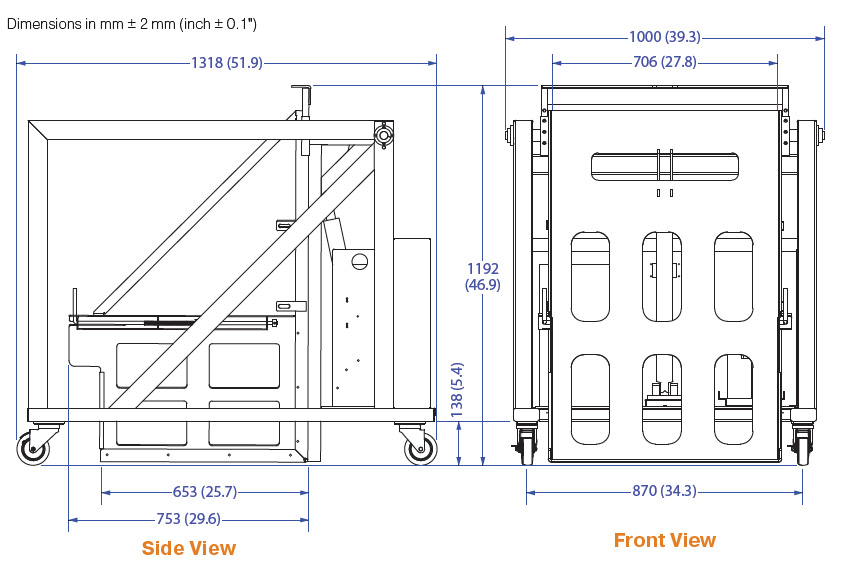
Maximum bin width of 706 mm (27.8 inches)
Lifting capacity of 140 kg (300 lb) per cycle
Adjustable discharge lip height of 1170 mm (46.1 inches), extending to 1240 mm (48.8 inches)
If your operation runs heavier bulk totes above that weight range, that is a different equipment class entirely, and it is worth a conversation before you buy so you are not stuck with a machine that cannot handle your actual containers.
Key Benefits of a Bin Tipper on Your Line
The case for mechanizing the dump cycle is not just about comfort. It shows up in throughput, injury reduction, and equipment longevity:
Maximizes efficiency by clearing multiple bins in a single pass instead of stopping the line repeatedly
Minimizes manual lifting and carrying, cutting the repetitive strain that builds up across a shift
Compact, mobile footprint that fits into trucks or moves easily between stations
Full tip angle empties containers completely while staying within standard facility height constraints
A full day of use on a single charge for most operations, with simple battery swaps when needed
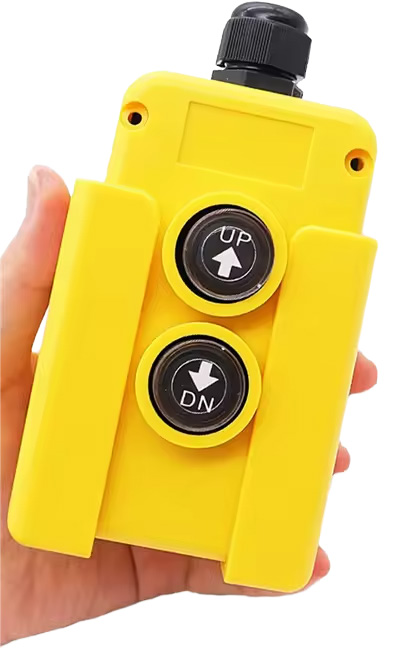
Straightforward control switches that require no specialized operator training
All stainless steel chassis that resists rust and holds up to washdown protocols
Standard, easily replaceable batteries with no proprietary parts to chase down
Full SBT-360 Specifications
Operating environment
10°C to 45°C (50°F to 113°F). IP51 rated, indoor use only.
Construction
All stainless steel chassis
Surface level requirement
±4 mm (0.2 inches)
Weight when empty
200 kg (440 lb)
Lifting capacity
140 kg (300 lb)
Bin sizes
Capacity: 90 to 360 liters (24 to 96 gallon). Width: 706 mm (27.8 in) maximum. Lip height: 1170 mm (46.1 in), adjustable to 1240 mm (48.8 in).
Lifts per charge
100 minimum
AC power for charging
120V to 240V, 50Hz to 60Hz, 5A. ETL approved for USA and Canada; CE approved.
Expected operating lifetime
15 to 25 years
Warranty
1 year on parts and components, excluding batteries. Subject to terms and conditions.
Where a Bin Tipper Fits in Your Operation
Bin tippers show up across more parts of a facility than most buyers expect once they start looking closely.
In food preparation and processing settings, a bin tipper most often feeds raw ingredients such as produce or trimmings into wash lines, sorting conveyors, or processing hoppers. Facilities running high volumes of loose product often pair a bin tipper with a system like SortAll Revolution sorting equipment downstream, so material moves from container to conveyor to sorted output without a manual step in between. Stainless steel construction allows a full washdown between product runs without corrosion risk.
Waste and byproduct handling is another steady application. Facilities generate real volumes of organic waste, trim material, and processing debris that need to move into compactors, collection bins, or composting systems, and mechanizing that step cuts down the number of manual lifts your crew makes across a shift.
If your operation also handles livestock mortality or byproduct disposal, our resource on animal carcass disposal regulations walks through the federal and state framework that applies.
Reducing Manual Handling Injuries on the Floor
Manual materials handling is a well-documented driver of musculoskeletal injuries in food handling and industrial facilities. NIOSH's own ergonomic guidelines identify mechanical assist devices as one of the most effective engineering controls available for reducing that exposure, alongside redesigning workstations and workflow. You can read the full NIOSH ergonomic guidelines for manual material handling for the complete picture.
The practical version of that guidance is simple: a worker who manually tips a loaded bin changes their load path as fatigue sets in across a shift, and that inconsistency is where injuries happen. A machine repeats the same controlled cycle every time, whether it is the first lift of the morning or the last one before close.
Choosing the Right Bin Tipper for Your Facility
Buyers run into trouble when they shop on lifting capacity alone and only discover afterward that the attachment style, power source, or footprint does not fit their actual containers or facility layout. A few things worth thinking through before you commit to any bin tipper:
Container fit: Confirm the machine's bin size and width range against what you actually run day to day, not just what you might run someday.
Power source: Battery-powered units like the SBT-360 offer the freedom to reposition equipment without running a hydraulic line, which matters in facilities without convenient power access at every station.
Construction material: Stainless steel is the standard for food-grade washdown environments. If your sanitation protocol includes regular chemical cycles, confirm that fasteners and contact surfaces meet the same spec as the frame, not just the visible shell.
Duty cycle: Match the machine's lifts-per-charge rating to your actual daily volume so you are not caught short mid-shift.
A bin tipper with a controlled dump angle and a secured cradle also protects the product itself. Loads that shift mid-arc during a manual dump create spillage and floor hazards, while a consistent mechanical cycle keeps material contained and reduces cleanup between runs. Many facilities pair a bin tipper with a broader byproduct and waste handling setup so containers, composting, and disposal all work together rather than as separate purchases made at separate times.
It also helps to see how a bin tipper handles real product before you buy. Our overview of food waste disposal solutions for processing plants covers how facilities are managing that volume end to end, from the first container to final disposal.
Why Buy Your Bin Tipper Through Bierman Equipment
Bierman Equipment is a direct dealer for Power Knot equipment, and that relationship means you are getting accurate specs and honest pricing without an extra distributor layer in between. We also run this type of equipment on our own operation, so the questions you bring to us about fit, capacity, or facility layout are questions we have already worked through ourselves. That is the difference between a catalog sale and a conversation with someone who has actually used the machine. You can browse Bierman Equipment's complete lineup of agricultural and processing equipment to see how a bin tipper fits into a larger setup.
Bierman also stocks related equipment worth considering alongside a bin tipper, including gating and fencing systems for facility layout and containment, and the full range of equipment attachments we carry is worth a look while you are comparing options.
If you would like to talk through container sizing, power requirements, or how the SBT-360 fits your facility, connect with our equipment specialists and we will help you work through the specifics.
Weight capacity depends on the specific machine's design and the bins it is built to handle. The SBT-360 is rated for containers between 90 and 360 liters and can lift up to 140 kg (300 lb) per cycle. Larger industrial equipment designed for bulk totes can be rated significantly higher, so it is worth confirming a machine's exact rating against your container weights before you buy.
What is a dumper bin?
A dumper bin is a specialized container designed to be mechanically lifted and tilted so its contents empty into a larger collection point, such as a hopper, gaylord, or processing intake, without requiring an operator to manually lift or tip it.
What is a tote dumper?
A tote dumper is industrial equipment that mechanically lifts and inverts heavy plastic totes or bins. The purpose is to remove manual lifting from the dump cycle entirely, which lowers injury risk and keeps cycle times consistent no matter how far into a shift the operator is.
What is a hydraulic garbage can lift?
A hydraulic garbage can lift is an automated mechanism, most often seen on collection vehicles, that uses pressurized fluid to power an arm or cradle. The mechanism grips the bin, lifts it, and inverts it over a collection hopper before returning it to the ground. The same basic tipping principle scales up into the bin tipper configurations used in processing and food handling facilities, just built for heavier, more frequent cycles.
How do I know if my bins will fit a bin tipper?
Check the machine's rated bin capacity range, maximum bin width, and discharge height against the containers you actually use. The SBT-360, for example, handles bins from 90 to 360 liters (24 to 96 gallons) up to 706 mm (27.8 inches) wide, with an adjustable discharge lip. If your containers fall outside that range, a different equipment class will likely be a better fit, and it is worth a quick conversation before purchasing.
How long does the battery last on a bin tipper?
On the SBT-360, a full charge supports a minimum of 100 lift cycles, which covers a full day of use for most operations before the battery needs to be recharged or swapped. Batteries are standard and easily replaced, so downtime for battery service stays minimal.