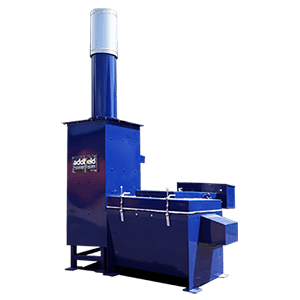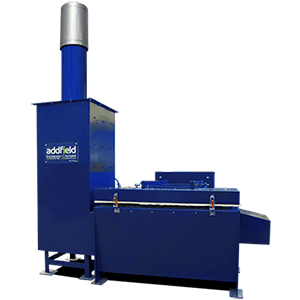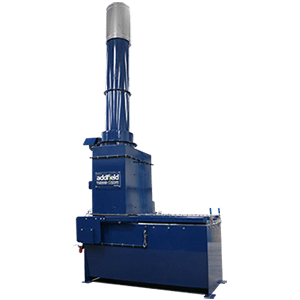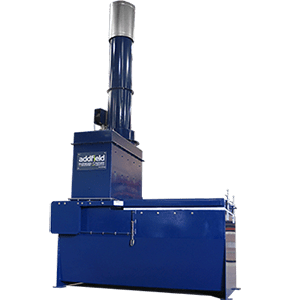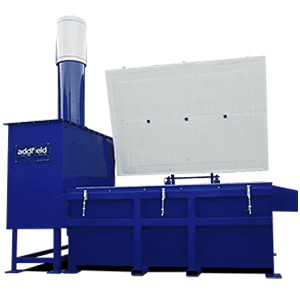


Fish and marine waste presents some of the most time-sensitive disposal challenges in agriculture. High moisture content accelerates decomposition, odor develops rapidly, and pathogens in aquatic mortalities can spread to healthy stock if waste is not handled quickly and completely. An aquaculture incinerators from AddField, available through Bierman Equipment, provides a controlled, on-site combustion solution designed specifically for the disposal demands of fish farms, hatcheries, seafood processing operations, and marine facilities. Rather than depending on hauling schedules or managing accumulating organic waste on-site, operations can process fish mortalities and byproducts immediately, reducing volume to a small amount of inert ash with no secondary storage requirements.
Aquaculture Incinerators for Fish Waste Disposal
Fish waste is biologically distinct from livestock mortality in ways that make it particularly challenging to manage. Aquatic animals decompose faster than terrestrial livestock, especially in warm environments. The high fat and protein content of fish tissue generates significant odor quickly. Wet organic waste is harder to compost effectively, and the volume of waste generated by large-scale aquaculture operations can overwhelm storage capacity rapidly during peak mortality events or processing runs.
Purpose-built aquaculture incinerators address these challenges by converting organic aquatic waste to ash through high-temperature combustion in an enclosed dual-chamber system. The process eliminates pathogens, destroys odor-generating organic material, and reduces disposal volume to a fraction of the original waste weight. For operations where site cleanliness, water quality, and biosecurity are operational priorities, on-site incineration provides a level of control that hauling and open disposal methods cannot match.
The Unique Challenges of Fish Waste Management
Aquaculture waste management differs from standard livestock waste handling in several important ways that affect equipment selection and disposal strategy:
- Rapid decomposition: Fish tissue breaks down significantly faster than terrestrial animal waste, requiring same-day or next-day disposal to prevent odor and sanitation problems
- High moisture content: Aquatic mortalities and processing byproducts contain high water content, which affects combustion efficiency and requires appropriate burner sizing
- Water quality implications: Improper storage or disposal of fish waste near water bodies creates runoff and leachate risk that can affect production water quality and regulatory standing
- Disease transmission pathways: Pathogens in aquatic mortalities can re-enter production water through decomposing waste, making complete destruction essential for biosecurity
- Volume variability: Mortality events in aquaculture can produce large volumes of waste quickly, requiring disposal systems that can handle surge periods without bottlenecking
- Regulatory complexity: Fish waste disposal may be subject to overlapping state, federal, and environmental regulations that vary by species, location, and facility type
Why Incineration Is Well-Suited for Aquaculture Operations
Among the available fish waste disposal methods, on-site incineration consistently addresses the most critical operational priorities for aquaculture facilities. Composting fish waste is possible but challenging due to moisture content and the specialized management required. Hauling requires third-party scheduling and leaves the facility without disposal capability during gaps in service. Burial is increasingly restricted and creates leachate risk near water bodies.
Incineration provides immediate, on-site, complete destruction of biological waste with no dependency on external services, no long-term storage, and no residual material requiring further management beyond a small volume of ash. For high-throughput aquaculture operations where waste is generated continuously, the ability to process disposal in real time rather than accumulating waste for periodic removal is a significant operational advantage.
How Aquaculture Incinerators Work
Dual-Chamber Combustion for Complete Fish Waste Destruction
AddField aquaculture incinerators use a two-stage combustion process designed to achieve thorough destruction of aquatic organic waste and the gases produced during combustion. In the primary chamber, fish mortalities, offal, and processing byproducts are loaded and combusted at high temperatures. Organic material is broken down and reduced in volume as combustion proceeds.
Gases, fine particulates, and volatile compounds generated during primary combustion are routed to a secondary chamber where they are exposed to additional heat, achieving more complete combustion of residual material. The secondary chamber is the key differentiator between high-quality agricultural incineration systems and basic single-chamber units. It reduces visible emissions, improves overall burn efficiency, and supports cleaner operation that is more compatible with air quality requirements.
Handling High-Moisture Aquatic Waste
The high moisture content of fish and marine waste requires burner configurations capable of sustaining combustion temperatures despite the water content of incoming material. AddField units designed for aquaculture applications are configured with this in mind, providing the sustained heat output needed to process wet organic waste efficiently without excessive fuel consumption or incomplete combustion cycles.
Proper loading practice also affects combustion performance. Loading waste in manageable quantities rather than overloading the chamber allows the system to maintain optimal combustion temperatures throughout each cycle, producing more complete waste destruction and cleaner operation over time.
Aquaculture Incinerator Applications
Fish Farms and Freshwater Aquaculture Operations
Freshwater fish farms raising species such as tilapia, catfish, trout, bass, and perch generate daily mortality that must be removed from production areas quickly to prevent disease spread and water quality degradation. On-site incineration with an aquaculture incinerator allows immediate disposal of mortalities as they are collected, eliminating the accumulation that creates both biosecurity and odor management problems in grow-out facilities.
For hatchery operations specifically, the volume of early-stage mortalities can be high relative to the physical size of the animals, making incineration a practical choice for handling large quantities of small fish waste efficiently without specialized storage infrastructure.
Salmon, Marine Aquaculture, and Offshore Operations
Marine aquaculture operations raising salmon, sea bass, sea bream, halibut, and other saltwater species deal with mortality volumes that can spike significantly during environmental stress events, disease outbreaks, or handling operations. Shore-based processing and support facilities for marine cage operations require reliable on-site disposal capability that can handle variable volumes without dependence on mainland hauling logistics.
Remote marine facilities, island properties, and offshore support operations benefit particularly from incineration’s self-contained disposal process, which requires no outbound waste transport and produces only ash requiring minimal handling.
Shrimp and Shellfish Processing Facilities
Shrimp farms and shellfish operations generate processing byproducts including shells, heads, and soft tissue waste that decompose rapidly and create significant odor and sanitation challenges when stored. While incineration is not the only disposal option for all shellfish waste, it provides a controlled and immediate solution for facilities where processing volume and site constraints make storage or hauling impractical on a routine basis.
Seafood Processing and Packing Operations
Land-based seafood processing facilities produce offal, trim waste, and condemned product that require prompt disposal to maintain HACCP compliance and facility sanitation standards. On-site incineration provides immediate disposal of processing waste without the refrigerated storage requirements or hauling logistics that off-site disposal demands. For operations producing waste continuously during processing runs, incineration capacity sized to match production throughput prevents waste accumulation from becoming an operational bottleneck.
Aquatic Research Facilities and Public Aquariums
Aquatic research institutions, university fish biology programs, and public aquariums manage mortalities across a wide range of species, some of which may be subject to special handling requirements due to disease research or biosafety protocols. On-site incineration provides complete, documented destruction of aquatic specimens when required by research protocols or institutional biosafety requirements.
Fish and Marine Waste Types Suitable for Incineration
Fish Mortalities and Aquatic Animal Remains
The primary use case for aquaculture incinerators is the disposal of fish mortalities collected from production pens, tanks, raceways, and ponds. Daily mortality collection followed by immediate incineration is the standard workflow for high-biosecurity aquaculture operations. This process removes infectious material from the production environment completely, with no residual risk of pathogen reintroduction through stored waste.
Processing Offal and Byproducts
Processing facilities generate offal, heads, viscera, and trim waste that must be handled as a distinct waste stream from whole fish mortality. These materials are high in moisture and fat content, decompose rapidly, and require prompt disposal to maintain sanitation standards in food processing environments. Incineration provides same-shift disposal capability that supports continuous production without waste accumulation.
Other Organic Aquaculture Waste
Additional aquaculture waste streams that may be suitable for incineration include spoiled or contaminated feed, organic sludge and solids from waste treatment systems, and other biodegradable materials generated during facility operations. Confirm waste type compatibility with specific unit specifications and applicable regulations before processing non-standard materials.
Regulatory Compliance for Aquaculture Waste Disposal
Aquaculture operations are subject to overlapping regulatory frameworks that affect how fish waste can be stored, transported, and disposed of. EPA NPDES permitting requirements for aquaculture facilities address water quality and discharge standards that indirectly affect waste management practices. State departments of agriculture and environmental agencies typically regulate on-farm fish waste disposal methods, permitting requirements for incineration units, and ash handling standards.
Air Quality and Emissions Standards
Incinerators above certain capacity thresholds may be subject to state air quality permitting requirements. Dual-chamber AddField units are designed to support cleaner combustion, but permit applicability depends on unit capacity, location, and state-specific thresholds. Verify requirements with your state environmental agency before installation.
Approved Disposal Methods by Species and State
Some states maintain approved lists of fish waste disposal methods that must be consulted before selecting incineration as the primary disposal approach. Species with special regulatory status, including certain wild-caught or invasive species, may have specific disposal requirements that affect equipment and process selection.
Ash Handling and Final Disposal
Ash produced by aquaculture incineration is generally considered inert, but local requirements for ash handling, containment, and final disposal should be confirmed with state or local regulatory authorities. Requirements vary by jurisdiction and may depend on the waste types being processed.
Siting and Installation Permits
Incinerator installation near water bodies, in flood zones, or in proximity to sensitive environmental areas may require additional permitting or siting review beyond standard agricultural incinerator approval. Confirm siting requirements early in the planning process to avoid delays.
Comparing Fish Waste Disposal Options
Understanding how incineration compares to alternative fish waste disposal approaches helps operations select the right method for their specific situation. Many aquaculture facilities use a combination of methods depending on waste type, volume, and regulatory requirements.
- Incineration vs hauling: On-site incineration eliminates pick-up scheduling, reduces biosecurity risk from third-party vehicles, and provides immediate disposal regardless of hauler availability. Hauling defers cost but creates dependency on external services and leaves waste on site between collections
- Incineration vs composting: Fish waste composting is technically possible but challenging due to high moisture content, rapid decomposition, and odor management requirements. Incineration is faster and more biosecure for high-moisture aquatic waste. For operations with mixed waste streams, the BIOvator composting system handles appropriate organic material alongside incineration for aquatic waste
- Incineration vs burial: Burial is restricted near water bodies in most jurisdictions and creates leachate risk that can affect production water quality. Incineration eliminates that risk entirely
- Incineration vs rendering: Rendering is available for some large-scale operations but requires third-party service, minimum volume thresholds, and pick-up scheduling. On-site incineration provides immediate disposal with no minimum volume requirement
For a broader comparison of incineration and biological digestion approaches, see our article on biodigesters vs incinerators. Operations managing animal mortalities beyond aquatic species should also review the full range of agricultural incineration options and farm and livestock incinerators available through Bierman Equipment.
Frequently Asked Questions About Aquaculture Incinerators
What is an aquaculture incinerator?
An aquaculture incinerator is a high-temperature combustion system designed to dispose of fish mortalities, processing byproducts, and aquatic organic waste on-site. The system reduces waste to a small volume of inert ash through a controlled dual-chamber combustion process, eliminating pathogens and organic material completely.
What types of fish waste can be incinerated?
Fish mortalities, processing offal and trim waste, viscera, condemned product, and other biodegradable aquatic organic material are all suitable inputs for aquaculture incinerators. Confirm specific waste type compatibility with unit specifications and applicable state regulations before processing non-standard materials.
Why is on-site fish waste disposal important for biosecurity?
Fish pathogens in decomposing mortalities can reintroduce disease into production water or healthy stock if waste is stored near production areas. Immediate on-site incineration eliminates that pathway completely by destroying infectious material at the point of collection rather than accumulating it for later disposal.
Does high fish moisture content affect incineration performance?
Yes, high moisture content requires sustained burner output to maintain combustion temperatures. AddField aquaculture incinerators are configured with burner capacity appropriate for aquatic organic waste. Loading in appropriate quantities per cycle supports consistent combustion performance and fuel efficiency.
Do aquaculture incinerators require permits?
Permit requirements vary by state, location, unit capacity, and proximity to water bodies or sensitive environmental areas. Some smaller on-farm units fall below permit thresholds while larger commercial systems require air quality review. Confirm requirements with your state environmental and agricultural regulatory agencies before purchase.
What happens to the ash after incineration?
Ash from aquaculture incineration is a small fraction of the original waste volume and is generally considered inert. Local requirements for ash handling, containment, and final disposal vary by jurisdiction. Confirm applicable rules with state or local regulatory authorities for your specific location and waste types.
Can the same unit handle both aquaculture and livestock waste?
Some AddField models handle mixed waste streams, while others are optimized for specific applications. For operations managing both aquatic and terrestrial animal waste, Bierman Equipment can help identify whether a single unit or separate systems make more operational and regulatory sense for your facility.
Do you ship aquaculture incinerators outside of Iowa?
Yes. Bierman Equipment serves aquaculture operations and seafood facilities across the United States. Call (712) 261-0137 or contact us directly to discuss your application and facility requirements.
Talk With Bierman Equipment About Aquaculture Incineration Solutions
At Bierman Equipment, we supply AddField aquaculture incinerators to fish farms, hatcheries, seafood processing operations, and marine facilities across the United States. Whether you are setting up disposal capability for a new aquaculture operation or replacing an existing system that no longer meets your throughput or compliance requirements, we can help you identify the right equipment for your waste stream, site conditions, and operational goals.
Call Tim at (712) 261-0137 or send a message through our contact page and we will follow up within one business day.