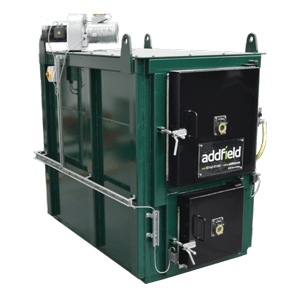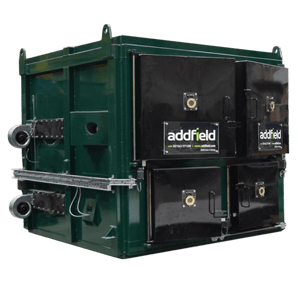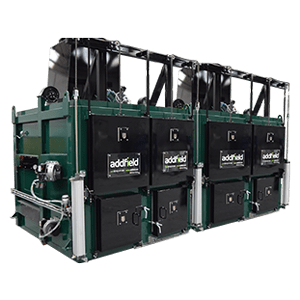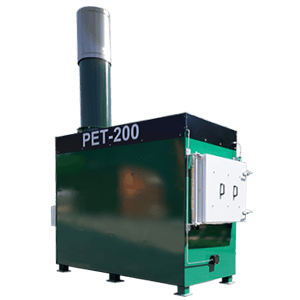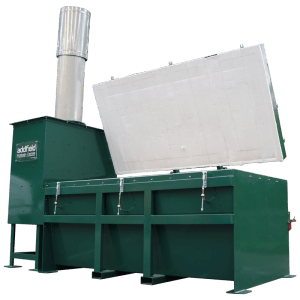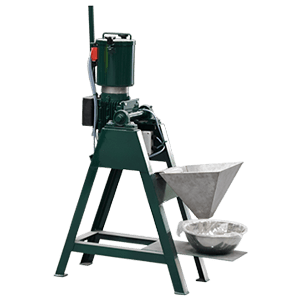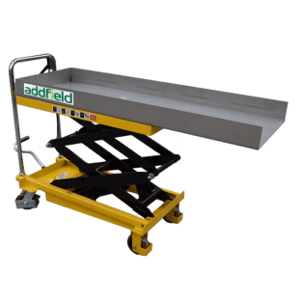


Veterinary clinics, animal hospitals, humane societies, pet cremation providers, and animal care facilities of all sizes need dependable equipment for handling companion animal remains with consistency, professionalism, and compliance. A pet incinerator from AddField, available through Bierman Equipment, provides a controlled, on-site combustion solution purpose-built for the unique demands of veterinary and companion animal environments. Unlike agricultural incineration equipment designed for livestock mortality volume, AddField pet incineration systems are engineered to meet the operational, sanitation, and service standards of facilities where professionalism and respectful handling matter as much as disposal efficiency.
Pet Incinerators for Veterinary and Animal Care Facilities
Animal care facilities face a set of remains management challenges that differ significantly from agricultural operations. The pace of service, the expectation of dignified handling, the potential return of cremated remains to pet owners, and the regulatory framework governing pet cremation services all shape the requirements for appropriate equipment. A pet incinerator must be reliable enough for daily clinical use, compact enough for most veterinary facility footprints, simple enough for existing staff to operate, and compliant with applicable state and local regulations governing companion animal remains disposal.
AddField pet incineration systems are designed with these requirements in mind. They are built to deliver consistent, controllable combustion in a professional environment, with the operational features veterinary and animal care facilities need for efficient daily use. As an authorized AddField dealer, Bierman Equipment carries the full range of pet incineration systems and can help facilities identify the right unit for their specific application, volume, and site requirements.
Why Veterinary Facilities Choose On-Site Pet Incineration
Off-site removal services are the most common alternative to on-site incineration for companion animal remains, but they come with operational limitations that create friction in busy clinical environments. Pick-up schedules are fixed and may not align with when disposal is needed. Storage of remains between pick-up visits requires refrigeration, space, and careful management. The facility has no direct control over how remains are processed after they leave the building, which can create liability and service consistency concerns when cremated remains are returned to clients.
On-site incineration eliminates each of those constraints. The facility processes remains on its own schedule, maintains direct control over the handling process, reduces refrigerated storage demands, and can provide clients with confidence that their pet’s remains were processed at the clinic or facility where their animal was cared for. For facilities that offer individual cremation with return of ashes to the owner, on-site capability is particularly valuable for service consistency and client trust.
Pet Incineration vs Agricultural Incineration Equipment
Not all incineration equipment is appropriate for companion animal and veterinary use. Agricultural incinerators designed for livestock mortality are built for high-volume, outdoor farm environments with different operational requirements than a veterinary clinic or cremation facility. Pet incineration systems from AddField are purpose-built for companion animal applications, with chamber dimensions, loading access, controls, and finish standards appropriate for professional indoor or semi-enclosed installation in clinical settings.
For farms and livestock operations dealing with animal mortality outside of companion animal contexts, the farm and livestock incinerator range covers those applications, and aquaculture incinerators address fish and marine waste disposal specifically.
AddField Pet Incineration Systems
AddField manufactures pet incineration equipment that is installed and used by veterinary professionals and animal care providers worldwide. The systems are engineered for reliable daily operation in professional environments, with the combustion performance and operational features that clinical settings demand.
Key Features of AddField Pet Incinerators
- Primary and secondary combustion chambers for complete and efficient processing
- High-temperature burners designed for thorough, consistent combustion of companion animal remains
- Insulated chamber construction for heat retention and fuel efficiency
- Controlled airflow systems supporting cleaner combustion and reduced visible emissions
- Compact footprint options suitable for installation in veterinary facility utility areas
- Straightforward controls operable by clinical staff without specialized technical training
- Accessible loading and ash removal for hygienic operation and routine cleanup
- Durable construction built for consistent daily use in professional environments
- Multiple model sizes to match facility volume and throughput requirements
Individual and Communal Processing Considerations
The distinction between individual cremation and communal processing is an important operational and service consideration for facilities that return ashes to pet owners. Individual cremation processes one animal at a time in a dedicated cycle, allowing for the collection and return of ashes attributed to a specific animal. Communal processing handles multiple animals in a single cycle and does not produce individually attributed remains.
Facilities that offer individual cremation with ash return as a client service need equipment and operating protocols that support clean cycle completion and ash collection between animals. AddField pet incineration systems can support individual processing workflows when operated with appropriate procedures. Discuss your specific service model with Bierman Equipment during the selection process to ensure the chosen unit and operating approach are aligned with your service commitments.
Who Uses Pet Incinerators
Veterinary Clinics and Animal Hospitals
General practice veterinary clinics and full-service animal hospitals are among the most common users of on-site pet incineration equipment. These facilities handle animal remains regularly as a routine part of clinical operations, including euthanasia cases, surgical losses, and animals that pass away during hospitalization. The volume varies by practice size, but even mid-sized clinics may benefit from the scheduling flexibility and storage reduction that on-site processing provides.
For practices that offer cremation with ash return as a client service, on-site incineration strengthens the integrity of that service by keeping the entire process within the facility. Clients who are told their pet’s remains were processed at the clinic where their animal was cared for receive a higher confidence level in that service claim than facilities relying entirely on third-party cremation providers.
Animal Shelters and Humane Societies
Shelters and humane societies manage animal remains at a scale and frequency that makes on-site incineration particularly valuable. High-volume intake operations, disease events, and euthanasia as a component of population management all generate remains that must be handled reliably, hygienically, and in compliance with local regulations. On-site incineration eliminates pick-up scheduling dependency and provides immediate disposal capability regardless of service provider availability.
For large shelters managing significant daily volume, properly sized equipment ensures disposal keeps pace with operational needs without accumulation that creates sanitation or regulatory risk.
Pet Cremation Service Providers
Dedicated pet cremation businesses operate as standalone facilities or mobile services offering cremation to veterinary clinics, shelters, and pet owners directly. These operations require equipment that delivers consistent, reliable performance across a high number of daily cycles, with the combustion quality and operational controls that support the service standards clients expect.
Cremation providers also face the most direct regulatory scrutiny of any pet incineration application, particularly in states with pet cremation licensing and inspection requirements. Equipment selection must account for applicable state crematory regulations, air quality permits, and documentation requirements from the outset of business planning.
Zoos, Wildlife Rehabilitation, and Exotic Animal Facilities
Zoological facilities, wildlife rehabilitation centers, and exotic animal care providers manage mortalities across a diverse range of species, some of which may have specific disposal requirements due to regulatory status, disease protocols, or biosafety concerns. On-site incineration provides complete, controlled disposal with the documentation capability that unusual species management sometimes requires.
Research Institutions and University Veterinary Programs
Academic veterinary programs, biomedical research facilities, and institutional animal care operations manage animal remains under IACUC protocols that often specify approved disposal methods. On-site incineration is commonly an approved and preferred method for facilities managing research animals, providing complete pathogen destruction and the documentation trail that institutional protocols require.
Choosing the Right Pet Incinerator for Your Facility
Processing Volume and Frequency
The number of animals processed per day or week is the primary driver of chamber size and throughput requirements. A small single-veterinarian practice has very different volume needs than a large emergency and specialty hospital or a high-volume cremation provider. Sizing the unit to actual volume prevents both underperformance and unnecessary capital expenditure on oversized equipment.
Animal Size Range
Companion animal facilities typically process animals ranging from small pocket pets and cats to large dogs and in some cases larger animals. Chamber dimensions must accommodate the largest animals the facility is expected to process. For facilities that also handle large animals such as horses or livestock in a veterinary context, discuss mixed-application requirements during the selection process.
Individual vs Communal Cremation Services
Facilities offering individual cremation with ash return have different operational requirements than those performing communal processing only. Individual cremation requires complete cycle turnover between animals and careful ash collection procedures. Confirm that the selected unit and your operating protocols support the service model you are committing to clients.
Installation Space and Ventilation
Indoor installation in a veterinary or cremation facility requires adequate space, appropriate floor loading capacity, proper ventilation or exhaust routing, and clearance for safe operation and maintenance access. Confirm installation requirements with Bierman Equipment and review your facility layout before finalizing equipment selection.
Fuel Source
AddField pet incineration units are available in propane and natural gas configurations depending on the model. Confirm which fuel is available and cost-effective at your facility location before selecting a unit configuration.
Staff Training and Ease of Operation
Equipment should be manageable by existing clinical or facility staff. AddField controls are designed for straightforward daily operation, loading, cycle management, and ash removal without requiring specialized technical training. Staff comfort with the equipment and clearly documented operating procedures are both important for consistent, compliant daily use.
Compliance and Regulatory Considerations for Pet Incineration
Pet cremation and animal remains incineration is regulated differently from agricultural incineration in most states, and the regulatory framework varies significantly by jurisdiction. Some states have dedicated pet cremation licensing and inspection requirements administered by the state department of agriculture or a consumer protection agency. Others regulate through air quality permitting without specific cremation licensing requirements. A small number of states have minimal regulation specific to companion animal cremation.
The International Cemetery, Cremation and Funeral Association (ICCFA) provides guidance on cremation standards and practices that many veterinary cremation providers use as a professional reference alongside applicable state regulations.
State Pet Cremation Licensing
States with specific pet cremation licensing requirements may mandate facility inspection, equipment registration, recordkeeping procedures, and client disclosure obligations. Confirm whether your state requires a license to operate a pet cremation facility or offer cremation services before purchasing equipment.
Air Quality and Emissions Permits
Pet incinerators above certain capacity thresholds may require air quality permits from state environmental agencies. Dual-chamber AddField units are designed for cleaner combustion, but permit applicability depends on unit size, location, and state-specific thresholds. Confirm requirements with your state environmental agency before installation.
Zoning and Installation Approvals
Local zoning regulations may restrict incineration equipment in certain commercial or mixed-use zones. Confirm zoning compatibility for your facility location and obtain any required building or installation permits before proceeding.
Recordkeeping and Client Documentation
Facilities offering cremation services with ash return should maintain records documenting chain of custody, processing dates, and ash return for each individual animal. Good recordkeeping practices protect both the facility and the clients who entrust their pets’ remains to the facility’s care.
Frequently Asked Questions About Pet Incinerators
What is a pet incinerator?
A pet incinerator is a controlled combustion system designed to process companion animal remains through high-temperature incineration in an enclosed chamber. The process reduces remains to a small volume of ash. Purpose-built pet incineration equipment differs from agricultural incineration systems in its design, capacity range, and suitability for professional veterinary and animal care environments.
Who uses pet incinerators?
Veterinary clinics, animal hospitals, humane societies, shelters, pet cremation service providers, zoos, wildlife facilities, university veterinary programs, and institutional animal care operations all use pet incineration equipment. The specific model and configuration depend on the type of facility, volume requirements, and applicable regulations.
Can a pet incinerator be used for individual cremation with ash return?
Yes. AddField pet incineration systems can support individual cremation workflows when operated with appropriate procedures, including complete cycle turnover and careful ash collection between animals. Discuss your specific service model with Bierman Equipment to confirm the right unit and approach for your operation.
What size animals can be processed?
AddField offers pet incineration models in a range of chamber sizes suitable for small animals including cats and pocket pets, up to large dogs and beyond. For facilities that handle very large animals in a veterinary or institutional context, discuss your full animal size range during the selection process to ensure proper sizing.
Are pet incinerators regulated differently than farm incinerators?
Yes, in most states. Agricultural incineration for livestock mortality is typically regulated through the state department of agriculture. Pet cremation may be regulated through a combination of pet cremation licensing statutes, air quality permitting, and local zoning, with specific requirements varying significantly by state. Always confirm applicable regulations for your specific facility type and location before purchasing.
Do pet incinerators require special ventilation or exhaust systems?
Indoor installation requires adequate ventilation and, in most cases, an exhaust flue routed to the exterior. Specific installation requirements depend on the unit model, local building codes, and applicable air quality requirements. Review installation requirements with Bierman Equipment and confirm compliance with your local building department before finalizing installation plans.
How does pet incineration compare to using a third-party cremation service?
On-site incineration gives the facility direct control over the timing, handling, and processing of remains, eliminates dependence on pick-up scheduling, reduces refrigerated storage requirements, and supports service consistency when ashes are returned to clients. Third-party services are lower in upfront cost but create operational dependency and remove direct facility oversight of the cremation process.
Talk With Bierman Equipment About Pet Incineration Solutions
At Bierman Equipment, we help veterinary clinics, animal hospitals, shelters, and cremation providers find AddField pet incineration equipment that fits their facility, service model, and compliance requirements. Whether you are setting up incineration capability for the first time or replacing aging equipment that no longer meets your operational needs, we will help you identify the right system.
Call Tim at (712) 261-0137 or reach out through our contact page and we will follow up within one business day.