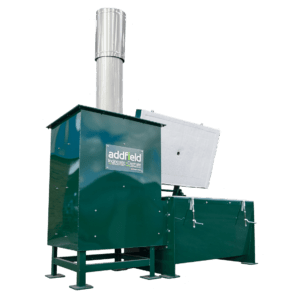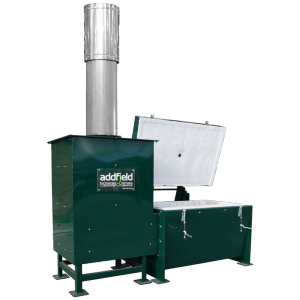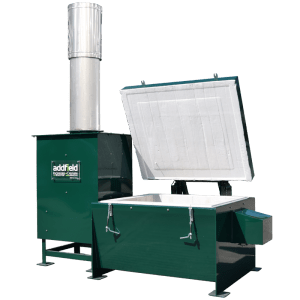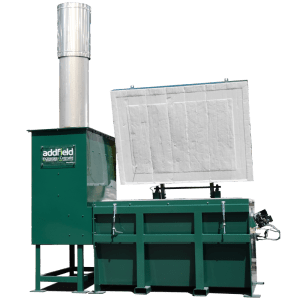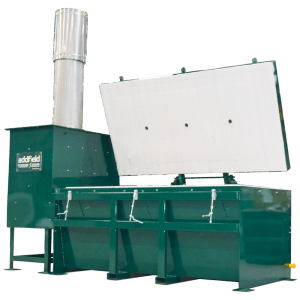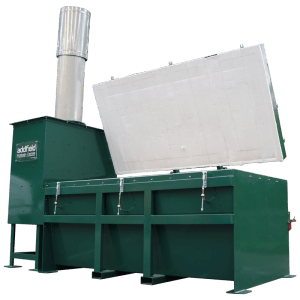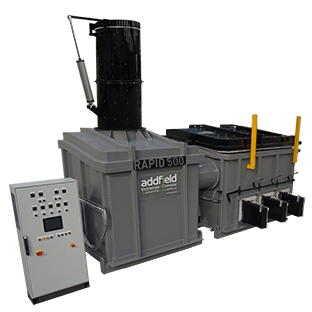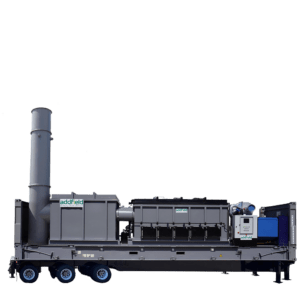


When a livestock operation loses animals, the clock starts immediately. Disease risk, regulatory requirements, and basic site management all demand fast, reliable disposal. An animal incinerator from AddField, available through Bierman Equipment, provides complete on-site destruction of fallen stock, animal byproducts, and agricultural waste in a contained, controlled combustion environment. AddField systems are installed in over 140 countries and trusted by leading farming organizations worldwide, purpose-built to reliably handle poultry, cattle, hogs, sheep, goats, and other livestock waste with minimal operator involvement and maximum biosecurity.
Animal Incinerators for Farms and Processing Facilities
Mortality disposal is a daily responsibility on livestock operations of all sizes. Whether the loss is a single animal or a significant mortality event, the disposal method chosen affects biosecurity, regulatory compliance, labor demands, and site cleanliness. Burial and open composting are restricted or impractical in many situations. Third-party pick-up introduces disease risk every time a vehicle enters the property. On-site incineration with a dedicated agricultural incinerator eliminates those limitations and puts complete disposal control in the hands of the farm operator.
AddField animal incinerators are purpose-built for agricultural use. They are not adapted industrial or municipal units repurposed for farm applications. Every design element, from chamber dimensions and loading access to burner configuration and airflow management, reflects the practical realities of daily farm mortality disposal across a wide range of livestock types and operation sizes.
Why On-Site Incineration Changes Daily Operations
The difference between having an animal incinerator on site and not having one is felt most clearly during high-stress mortality events. During disease outbreaks, extreme weather periods, or production surges, mortality volumes spike and disposal speed becomes critical. Operations without on-site incineration face hauling delays, storage problems, and the risk of improper disposal that can create regulatory exposure.
With an AddField unit on site, the disposal process is immediate, contained, and documented. Animals are loaded directly, combustion destroys biological material completely, and the result is a small volume of ash that requires no special handling. Staff spends less time on carcass management, site conditions improve, and the operation is better positioned for regulatory inspections at any time.
What Sets AddField Animal Incinerators Apart
AddField has built its reputation by engineering incinerators specifically for the environments where they will be used, rather than offering a generic combustion unit. For agricultural applications, that means:
- Dual primary and secondary combustion chambers for complete waste and gas destruction
- High-temperature burners engineered for efficient, reliable ignition and combustion
- Insulated chamber construction for consistent heat retention and reduced fuel use
- Controlled airflow systems that optimize combustion performance
- Durable materials designed for long-term agricultural environments
- Straightforward loading access sized for the animal types the unit is designed to handle
- User-friendly controls operable by existing farm staff without specialized training
- Safe, accessible ash removal points for routine cleanup
- Multiple capacity configurations to match farm size and daily mortality volume
AddField Animal Incinerator Features in Detail
Dual-Chamber Combustion System
The dual-chamber design is the most important performance differentiator between high-quality agricultural incinerators and basic single-chamber units. In a single-chamber system, gases and fine particulates generated during combustion exit the unit without being fully destroyed, resulting in incomplete combustion, higher emissions, and less thorough waste reduction.
AddField’s dual-chamber design routes gases from the primary combustion chamber through a secondary chamber where they are exposed to additional heat and oxygen, achieving complete combustion of both the physical waste and the combustion gases. The result is more thorough destruction of biological material, lower visible emissions, and a cleaner overall process that meets the expectations of regulatory bodies and neighboring landowners.
Fuel Options and Operating Flexibility
AddField animal incinerators are available in configurations compatible with multiple fuel sources, including propane, natural gas, diesel, and waste oil depending on the model. Fuel choice affects operating cost, infrastructure requirements, and unit availability at remote locations. Bierman Equipment can help you identify which fuel configuration makes the most practical and economic sense for your operation based on local fuel availability and pricing.
Capacity and Sizing for Any Operation
One of the consistent strengths of the AddField product range is the breadth of available capacity configurations. Whether you operate a small family farm with occasional mortality events or a large commercial poultry or swine facility with daily disposal requirements, there is an AddField model built for your throughput needs. Selecting the correct capacity from the start prevents the operational bottleneck that results from undersized equipment during peak mortality periods.
Animal Incinerator Applications by Livestock Type
Poultry Mortality Incineration
Poultry operations generate daily mortality at every stage of production, from day-old chick losses in broiler and breeder houses to full-grown layer and turkey mortalities. The volume can be relatively small on most days and spike significantly during disease events, heat stress periods, or flock transitions. An on-site animal incinerator sized for daily average volume with capacity to handle surge periods is the standard solution for compliant, efficient poultry mortality disposal across all flock types.
Incineration is particularly valuable in poultry operations because it eliminates the composting and hauling options that introduce disease risk. For operations that prefer composting for routine daily losses, the BIOvator in-vessel composting system is worth evaluating as a complement or alternative for situations where disease protocols do not require complete destruction.
Swine and Hog Mortality Disposal
Hog operations face a specific challenge: mortality weight ranges from newborn piglets to mature sows and boars weighing 400 to 600 pounds or more. A single incinerator must be sized and configured to handle the full weight range expected on that operation, not just the average case. AddField units for swine operations are available with chamber dimensions and loading access appropriate for large animal loading, and burner capacity to achieve complete combustion of high-fat, high-density carcasses.
For swine operations, biosecurity is a primary driver of the decision to incinerate. Third-party dead stock pick-up trucks visiting multiple farms in a single day are among the most recognized vectors for disease transmission between operations. Eliminating that exposure entirely with on-site incineration is a straightforward biosecurity improvement with documented operational value.
Cattle, Dairy, and Large Animal Incineration
Large animal incineration requires a different class of equipment than poultry or swine applications. Cattle, horses, and other large animals require incinerator chambers sized for their weight and physical dimensions, loading systems that allow safe and practical loading of heavy carcasses, and burner capacity to achieve full combustion of large volumes of biological material. AddField offers models specifically configured for large animal applications, with loading access and chamber volumes appropriate for the task.
For cattle and dairy operations, incineration is often the only practical compliance-approved option for large animal mortalities in states where burial is restricted or unavailable due to soil conditions, water table depth, or zoning limitations.
Sheep, Goat, and Small Livestock Operations
Sheep and goat producers, along with operations raising other small livestock, have access to mid-range AddField models that handle their typical mortality sizes without the oversizing and associated fuel costs that come with large animal configurations. These units are compact enough for smaller farm footprints while providing the same dual-chamber combustion performance and biosecurity benefits as larger models.
Hatchery and Breeder Operations
Hatcheries and breeder facilities generate a specific waste stream that includes infertile eggs, culled chicks, and hatchery residuals alongside routine bird mortality. Incineration provides a contained, same-day disposal method for all of these material types, supporting biosecurity protocols that are especially critical in breeder environments where flock health has downstream implications throughout the production chain.
Meat Processing and Slaughter Facility Applications
Processing facilities handle animal byproducts that cannot be composted, rendered, or stored on site without creating compliance and sanitation issues. On-site incineration provides immediate disposal of condemned carcasses, processing residuals, and other biological waste that arises during production. For processing facilities managing both animal and food organic waste, biodigester systems can complement incineration by handling the food-based and soft organic portion of the waste stream.
How Animal Incinerators Support Farm Biosecurity
Eliminating Third-Party Pick-Up Risk
The biosecurity risk of third-party dead stock pick-up is widely recognized in the livestock industry. A rendering or disposal truck that visits dozens of farms in a region carries pathogens from every farm it contacts. Farm biosecurity protocols designed to prevent disease introduction through visitors, equipment, and personnel are undermined every time a pick-up truck enters the property.
On-site incineration removes this risk completely. Mortalities are handled by farm staff using farm equipment, the disposal process occurs entirely within the farm boundary, and no external vehicle or personnel contact is required. For farms recovering from or trying to prevent disease incursion, eliminating third-party pick-up is one of the highest-value biosecurity improvements available.
Disease Response and Depopulation Event Preparedness
During disease outbreak response or planned depopulation events, disposal speed and containment are the primary operational priorities. Regulatory response plans for notifiable diseases such as avian influenza, African swine fever, and foot-and-mouth disease typically require rapid, complete, on-site destruction of affected animals. Having an AddField animal incinerator already installed and operational means the farm is prepared to respond immediately rather than waiting for emergency equipment deployment.
For operations in regions with a history of disease pressure or where regulatory response plans are required, on-site incineration capacity is increasingly considered an operational necessity rather than an optional upgrade.
Operating and Maintaining a Farm Animal Incinerator
Daily Operation and Labor Requirements
AddField animal incinerators are designed for practical farm use by existing staff. Operation involves loading the chamber, initiating the combustion cycle, and monitoring until the cycle is complete. Controls are straightforward and do not require specialized technical knowledge. Most models complete a combustion cycle within a predictable timeframe depending on load size, allowing operators to plan disposal into the daily farm routine without dedicated personnel.
Ash Handling After Incineration
The end product of the incineration process is a small volume of dry ash representing a fraction of the original waste volume. Ash from animal incineration is typically considered inert and can in many cases be land-applied or disposed of through normal solid waste channels, though specific requirements vary by state and material type. The significantly reduced volume compared to the original carcass simplifies handling and eliminates the storage problems associated with untreated mortalities.
Routine Maintenance and Service
Like any combustion equipment, animal incinerators require periodic maintenance to sustain performance over time. Refractory lining inspection, burner servicing, airflow system checks, and ash removal are standard maintenance activities. AddField units are designed with accessible service points to simplify routine maintenance. Bierman Equipment supports customers with service guidance and parts availability to keep equipment performing reliably over the long term.
Regulatory Considerations Before Purchasing
State Approval for On-Farm Incineration
Most states approve incineration as a method for livestock mortality disposal, but specific rules around unit type, capacity, permitting, and siting vary. Confirm your state’s current requirements through the state department of agriculture before purchase. Many states publish approved mortality disposal methods that include incineration as a standard option.
Air Quality Permits
Higher-capacity incinerators may require air quality permits from state environmental agencies, particularly for commercial or processing facility applications. Smaller on-farm units often fall below permit thresholds, but this should be verified for your specific location and unit size. The EPA’s agricultural waste management guidance provides a useful starting framework for understanding federal-level expectations.
Siting and Installation Requirements
State regulations and local ordinances may specify minimum setback distances from property lines, water sources, and occupied structures for incinerator installation. Confirm siting requirements before selecting a location on the farm.
Disease Event Reporting
During declared disease events, disposal methods and documentation requirements may be directed by state or federal animal health authorities. Having an approved on-site incinerator in place positions the operation to comply with those directives immediately.
Frequently Asked Questions About Animal Incinerators
What is an animal incinerator?
An animal incinerator is a high-temperature combustion unit designed to destroy animal carcasses, mortalities, and biological agricultural waste on-site. The process reduces waste to a small volume of ash through controlled combustion in an enclosed primary and secondary chamber system.
What animals can be incinerated with an AddField unit?
AddField incinerators handle poultry, swine, cattle, dairy animals, sheep, goats, horses, and other livestock depending on model size and chamber configuration. Bierman Equipment carries models sized for everything from routine daily poultry mortality to large animal disposal.
How does an animal incinerator improve biosecurity?
It eliminates the need for third-party pick-up trucks that carry disease risk from other farms, keeps all disposal activity on-site and under the operator’s control, and provides complete pathogen destruction through high-temperature combustion. This is particularly valuable during disease outbreaks or in regions with high disease pressure.
How long does it take to incinerate an animal?
Combustion time varies by animal size, moisture content, and unit capacity. Smaller animals like poultry can complete a cycle in a few hours. Larger animals require longer cycles. AddField unit specifications include estimated cycle times for the animal types each model is designed to handle.
What fuel do animal incinerators use?
AddField units are available in propane, natural gas, diesel, and waste oil configurations depending on the model. The right fuel choice depends on what is available on-site, local fuel costs, and operational frequency. Bierman Equipment can help you work through those options.
Is incineration better than composting for livestock mortality?
It depends on the operation, waste type, regulatory requirements, and operational priorities. Incineration is faster, better for biosecurity-sensitive situations, and required during most disease response events. Composting produces a reusable end product but takes longer and is not appropriate for all animal types or disease scenarios. Many operations use both. See the full comparison in our article on biodigesters vs incinerators.
Do you offer aquaculture or pet incineration systems as well?
Yes. Bierman Equipment carries dedicated aquaculture incinerators for fish and marine waste disposal and pet incineration solutions for veterinary and companion animal applications. Each is a purpose-built system for its specific application rather than a general agricultural unit adapted for a different use.
Do you ship and support animal incinerators outside of Iowa?
Yes. Bierman Equipment is based in Larrabee, Iowa and works with livestock operations and processing facilities across the United States. Call (712) 261-0137 or contact us through our website to discuss your application.
Get the Right Animal Incinerator for Your Farm Through Bierman Equipment
At Bierman Equipment, we are an authorized AddField dealer with access to the full range of agricultural incineration systems. Whether you are equipping a poultry operation for the first time, replacing aging equipment, or building out a complete on-farm waste management system, we will help you select the right unit for your livestock type, daily volume, site conditions, and compliance requirements.
Call Tim at (712) 261-0137 or send us a message through the contact page and we will follow up within one business day.