

At Bierman Equipment, we understand that sow management depends on more than individual products. It depends on a complete system of sow housing equipment that delivers better barn results by supporting animal care, employee efficiency, and dependable daily workflow from breeding through farrowing. The right equipment helps create a facility where animals can be housed, moved, fed, observed, and managed in a way that supports both production goals and long-term operational performance. For producers evaluating equipment categories or planning updates to an existing site, it is important to understand how each component contributes to the overall system.
Sow facilities are complex working environments. They need to support reproductive management, safe animal movement, routine feeding, sanitation, and employee access while also standing up to demanding daily use. A successful layout is not just about fitting enough pens into a building. It is about arranging the facility so that animals move more predictably, workers can do their jobs more safely, and the equipment performs reliably over time.
Proven Sow Housing Equipment for Better Barn Results
When systems are selected carefully, they can improve consistency across the breeding, gestation, and farrowing processes. Better layouts reduce stress during animal movement. Better gating and access points improve labor efficiency. Better feeding and pen components support more controlled management, and better materials reduce maintenance demands so the facility holds up under repeated cleaning, daily use, and ongoing animal contact. For operations comparing solutions, the key is to evaluate how the equipment supports real work on the farm, not just how it looks on a specification sheet.
Bierman Equipment provides a full line of durable, humane, and efficient solutions for large pen gestation and group sow housing through Schick Enterprises. From modern drop feed stations and trickle feed stations to the enterprise-class, RFID-based Automatic Gestation System (AGS), we offer the equipment and the know-how growers and integrators need to outfit a large pen gestation or group sow housing facility.
Feeding Systems for Group Sow Housing
Feeding is one of the most consistent daily demands on any sow facility, and the equipment behind it needs to hold up to that pressure without slowing down labor or compromising sow comfort.
Drop Feed Stations and Trickle Feed Stations
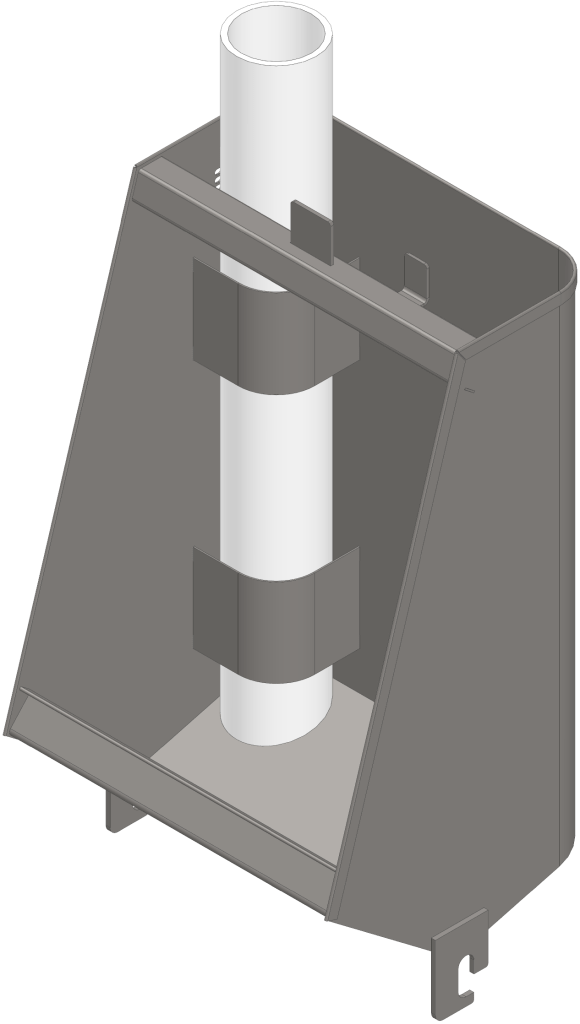
Our drop feed stations and trickle feed stations for group sow housing are efficient, long-lasting solutions for any hog barn. They are designed to allow growers to feed sows in large or small groups, with centered feed tubes for sow-eating comfort and PVC drop tubes that ensure smooth feed flow. Quick, bolt-together assembly means decreased installation and maintenance costs, and both systems are backed by Schick’s customer service.
- Durable construction, made in the USA
- Compatible with a stainless steel feed pan or concrete pan
- Built for maximum eating comfort and a quick return on investment
AGS: Automated Large Pen Gestation and Group Sow Housing
AGS is an automated large pen gestation and group sow housing solution built as an alternative to conventional gestating methods. It automates large pen gestation while giving sows access to individual feeding stations, and it uses RFID technology to feed, track, separate, and sort groups as large as 300 sows. Tasks such as feeding, vaccinating, and pregnancy testing become simpler with this automated sow management tool, which results in:
- Improved sow conditioning
- Minimized sow aggression
- Decreased maintenance and staffing costs
Like all Bierman Equipment products, AGS is developed, engineered, and manufactured in the United States using durable, high-quality materials.
How Does AGS Work?
To use the AGS automated large pen gestation system, a grower divides the sow housing room into two primary areas. The larger area is for feeding, and the smaller area is for loafing. The feeding area is outfitted with trickle feed stations, with a separate spot designated for light feeding.
Sows access the loafing area from the feeding area through one-way gates, and they access the feeding area from the loafing area through the AGS Interrogator, the system’s proprietary RFID reader. Upon reading a sow’s unique RFID tag, the Interrogator queues an action such as painting, sending the sow to the light feeding area, sorting her to the alley, or sending her straight ahead back to the normal feeding area. The result is less aggressive sows, minimal maintenance, and decreased costs.
Pen Layout, Gating, and Access Considerations
Pen layout and gating are some of the most important parts of facility performance because they directly affect animal movement, worker safety, and daily efficiency. Even strong individual components can underperform if the overall layout does not support how the barn is actually used. Pen spacing, gate swing, alley width, and access points all influence how easily workers can manage sows through each production stage.
Effective pen layout and access planning can help operations:
- Improve animal movement between breeding, gestation, and farrowing areas
- Reduce bottlenecks during sorting or transfer
- Support better employee positioning during handling
- Make pens easier to observe, clean, and service
- Create more consistent access to feeders, waterers, and care areas
- Reduce unnecessary stress on animals during routine movement
Gating matters because it is used constantly. Workers rely on it to move animals, isolate individuals, and manage access throughout the day, so a well-designed system should feel dependable and straightforward rather than getting in the way of normal work. Custom-built hog gating and fencing systems support that kind of predictable movement between breeding, gestation, and farrowing areas while standing up to years of cleaning and daily animal contact.
This is also where facility-specific needs matter most. A retrofit project may need equipment that works within an existing footprint and structural limitations, while a new construction project may have more freedom to optimize alleyways, handling zones, and pen configurations from the start. In both cases, the right sow housing equipment should be selected based on how the full area will operate, not just on component dimensions alone.
Selecting Durable Components for Long-Term Use
Durability is a major factor in swine facility planning because sow housing equipment is exposed to constant pressure from animals, repeated cleaning, moisture, corrosive conditions, and daily employee use. The goal is not just to install equipment that works on day one. It is to choose systems that continue performing reliably as the facility operates year after year.
Durable components matter in areas such as:
- Pen panels and dividers
- Gating and latch systems
- Stall structures and support frames
- Feeding equipment and access points
- Flooring-related hardware and structural interfaces
- Material handling supports around the facility
For pen panels and dividers specifically, lightweight Paneltim panel systems hold up to constant sanitation and moisture exposure without breaking down, which makes them a practical option for partitioning and group housing areas that see heavy daily contact. A durable system overall helps reduce maintenance interruptions, improve safety, and protect the value of the facility over time. When equipment wears prematurely or fails under routine use, the result is more than a repair cost. It can create delays in animal movement, compromise worker safety, and make daily management harder.
| Facility Priority | Equipment Focus |
|---|---|
| Reducing labor during feeding | Drop feed stations, trickle feed stations, AGS |
| Improving animal movement and safety | Gating, alley width, access point layout |
| Reducing maintenance interruptions | Durable panels, latch systems, stall frames |
| Tracking and sorting large groups | RFID-based automated gestation systems |
Balancing Animal Welfare, Labor, and Facility Efficiency
One of the biggest challenges in sow facility planning is balancing multiple priorities that all matter at the same time. Producers need equipment that supports animal welfare, but they also need a facility that can be managed efficiently by the available workforce. They need durable materials, but they also need a layout that supports day-to-day flexibility. They need systems that fit within budget, but they also need equipment that delivers long-term value.
Animal welfare, labor efficiency, and facility performance are closely connected. A well-planned layout can support calmer movement and better observation. Better access can improve the speed and quality of routine care, and more dependable feeding and pen design can make daily management more consistent. Balancing these priorities often means asking:
- Does this system improve the daily experience for both animals and workers
- Will it help manage movement more safely and predictably
- Does it reduce labor friction in the areas where the most time is spent
- Is it durable enough for the conditions of the operation
- Does it support the production stages that matter most in this barn
- Will it fit the existing footprint or planned layout without compromise
How to Choose the Right Sow Housing Equipment for Your Facility
The most effective sow housing equipment is the equipment that helps the barn perform better as a whole. It should support animal care without creating labor inefficiency, improve labor efficiency without sacrificing access or control, and stand up to use while fitting the layout and management style of the operation. For many operations, the best path forward involves comparing categories rather than focusing immediately on one exact product, since housing systems, gating, feeding components, and layout support all influence one another.
Questions to Ask When Comparing Sow Housing Equipment
A strong system should help answer practical questions. Will employees be able to move sows efficiently? Can staff access animals safely for care and observation? Are the highest-use components built for daily wear? Does the layout support logical movement from breeding through gestation and farrowing? When those answers are clear, the right direction becomes easier to see.
This is especially important for producers making long-term investments, since management practices evolve, throughput goals change, and labor realities shift over time. Choosing sow housing equipment with flexibility and long-term usability in mind helps an operation adapt more effectively in the years ahead. For additional background on gestation housing design and management, the National Pork Board’s sow housing resources cover several common gestation housing designs in more depth.
If you are planning upgrades across more than one part of the facility, our team can also walk through how sow housing fits alongside our grain handling and livestock equipment systems, since feeding, storage, and animal handling equipment often need to be planned together rather than one category at a time.
Frequently Asked Questions
What is sow housing equipment?
It includes the systems used to house, move, feed, and manage sows through breeding, gestation, and farrowing, ranging from feed stations and gating to automated gestation and sorting systems.
Why does facility layout matter in sow housing?
Layout affects animal flow, worker safety, feeding access, observation, and labor efficiency, and even strong individual components can underperform if the overall layout does not support how the barn is actually used.
How does the AGS system reduce labor compared to conventional gestation methods?
AGS uses RFID technology to automatically feed, track, separate, and sort groups as large as 300 sows, which simplifies tasks such as feeding, vaccinating, and pregnancy testing without requiring constant manual handling.
What is the difference between drop feed stations and trickle feed stations?
Both are designed for group sow housing with centered feed tubes for eating comfort and PVC drop tubes for smooth feed flow, and the right choice depends on group size, feeding management style, and existing barn layout.
Can sow housing equipment be added to an existing barn instead of new construction?
Yes. Retrofit projects can often work within an existing footprint and structural limitations, though new construction typically allows more freedom to optimize alleyways, handling zones, and pen configurations from the start.
Why is durability such an important factor in sow housing equipment?
Equipment is exposed to constant pressure from animals, repeated cleaning, moisture, and daily employee use, so components that wear prematurely can create delays in animal movement and compromise worker safety.
What should we compare when evaluating sow housing systems?
We recommend comparing layout fit, animal flow, access, durability, labor impact, and long-term usability rather than focusing on a single product in isolation.
Talk with Bierman Equipment About the Right Sow Housing Solution
We help producers evaluate sow housing equipment that supports animal care, labor efficiency, durability, and better facility performance from breeding through farrowing. Whether you are planning a new system, updating an existing barn, or comparing categories for a future project, our team can help you navigate the right solution for your operation. You can also browse everything Bierman Equipment offers nationwide.