

Choosing the Right Waste Processing System for Your Facility
Biodigesters vs. incinerators is a decision that affects far more than waste disposal alone. In food and meat processing environments, waste management impacts sanitation, workflow, compliance, operating costs, labor, and long-term efficiency. The better choice depends on how your facility needs to process waste and what kind of byproducts your operation handles every day.
Some facilities need biological processing that converts organic waste into treated liquid for reuse or discharge. Others need high-heat destruction that reduces material to sterile ash. Bierman Equipment offers both biodigester systems and incineration solutions to help processors choose the right fit for their waste stream, sanitation priorities, and infrastructure goals.
Comparing Biodigesters and Incinerators for Waste Processing
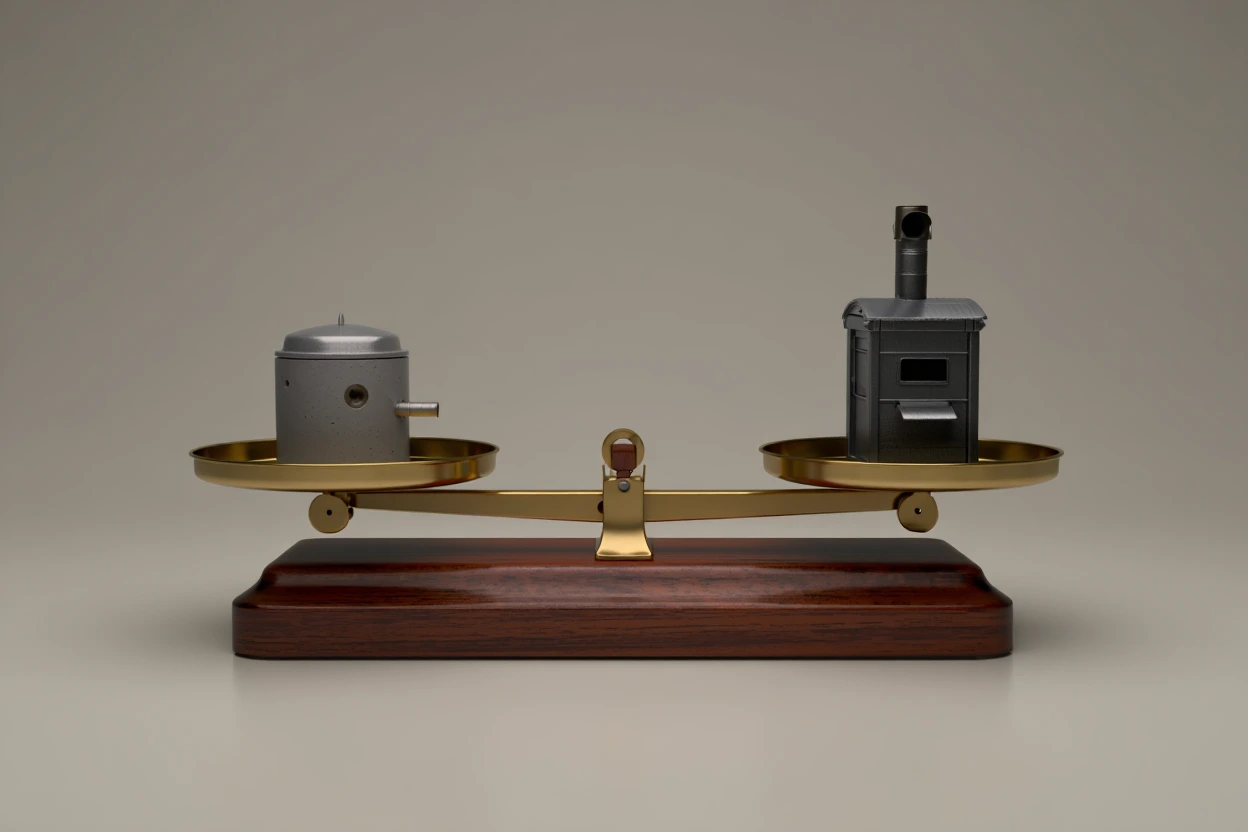
Both biodigesters and incinerators address the same broad problem: too much waste on-site. What separates them is how they solve it. A biodigester uses oxygen, water, and microorganisms to break down organic material into treated liquid output. An incinerator uses thermal oxidation to destroy waste through combustion, leaving behind sterile ash, heat, and treated flue gas.
Biodigesters vs. Incinerators: Matching Equipment to Your Waste Stream
This distinction shapes everything from footprint and utility needs to pathogen control and long-term operating strategy. In food production and meat processing, that matters because waste is rarely uniform. Some plants handle soft organics such as produce waste, fats, meat trim, and soft offal, while others generate bones, feathers, hides, mixed solids, or regulated byproducts that require more aggressive destruction.
That is why this is not really about finding one universal winner. It is about matching the equipment to the waste stream. Facilities reviewing industrial waste handling options can compare Bierman Equipment’s full range of industrial waste handling equipment before choosing a system that aligns with their process.
How Aerobic Biodigesters Work in Food and Meat Facilities
A major point of confusion is that not all biodigesters operate the same way. In agricultural settings, anaerobic digesters are often associated with methane and biogas. In food and meat processing plants, industrial biodigesters are more commonly aerobic, meaning they rely on oxygen-based digestion instead of methane-producing biological breakdown.
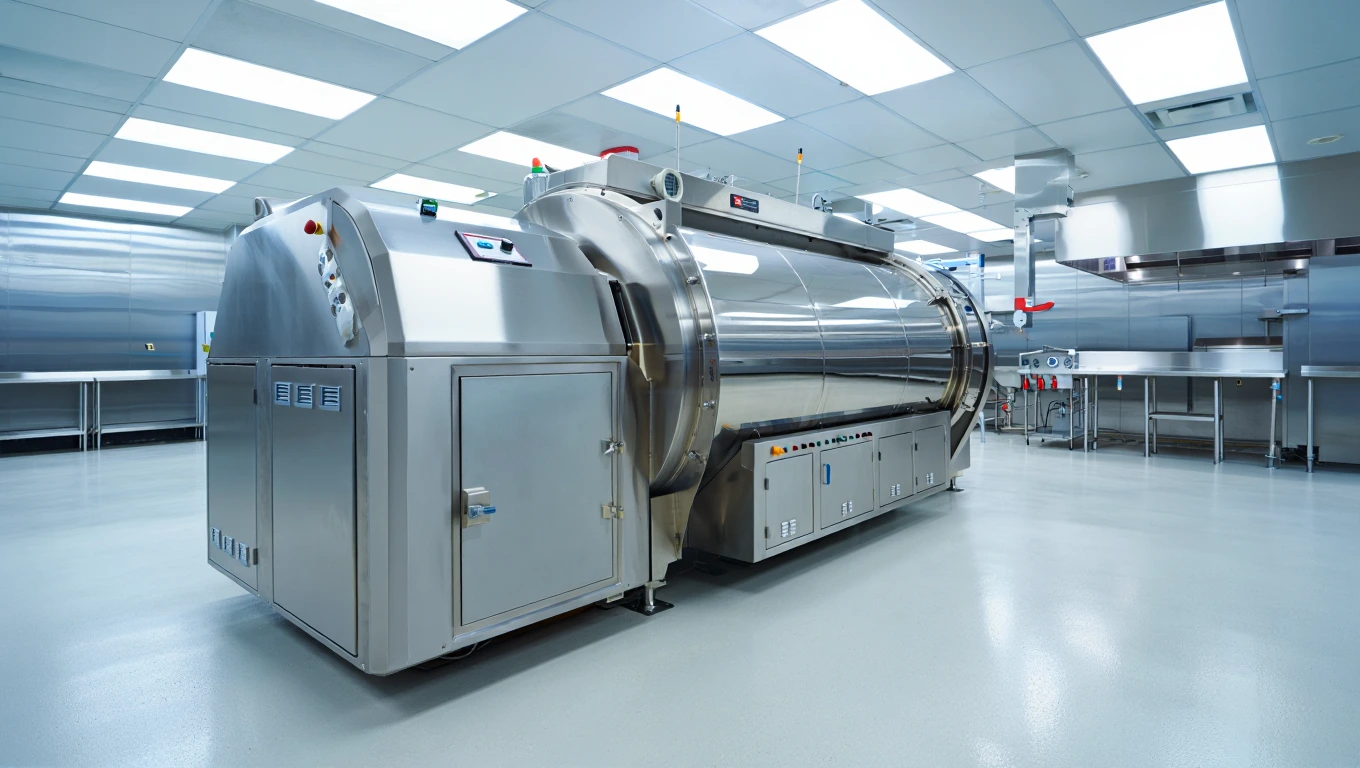
An aerobic biodigester works like a mechanical stomach. Waste is loaded into the unit, where oxygen, water, and microorganisms accelerate decomposition. The result is treated liquid effluent that may be discharged, reused, or polished further on-site depending on system configuration.
Advanced systems now go beyond traditional wastewater-dependent designs. Some can remove collagen and reduce organic load enough to support internal water reuse and, in some configurations, even potable-quality water output. That changes the economics for facilities trying to reduce dependency on external wastewater infrastructure.
Best Fit for Biodigesters
- Soft organics
- Produce waste
- Fats
- Meat scraps
- Soft offal
- Facilities seeking water reuse or reduced infrastructure dependency
For processors focused on organics reduction and liquid treatment, biodigester solutions can support a cleaner continuous-load workflow while reducing wet waste storage and haulage.
How Industrial Incinerators Handle High-Risk Waste
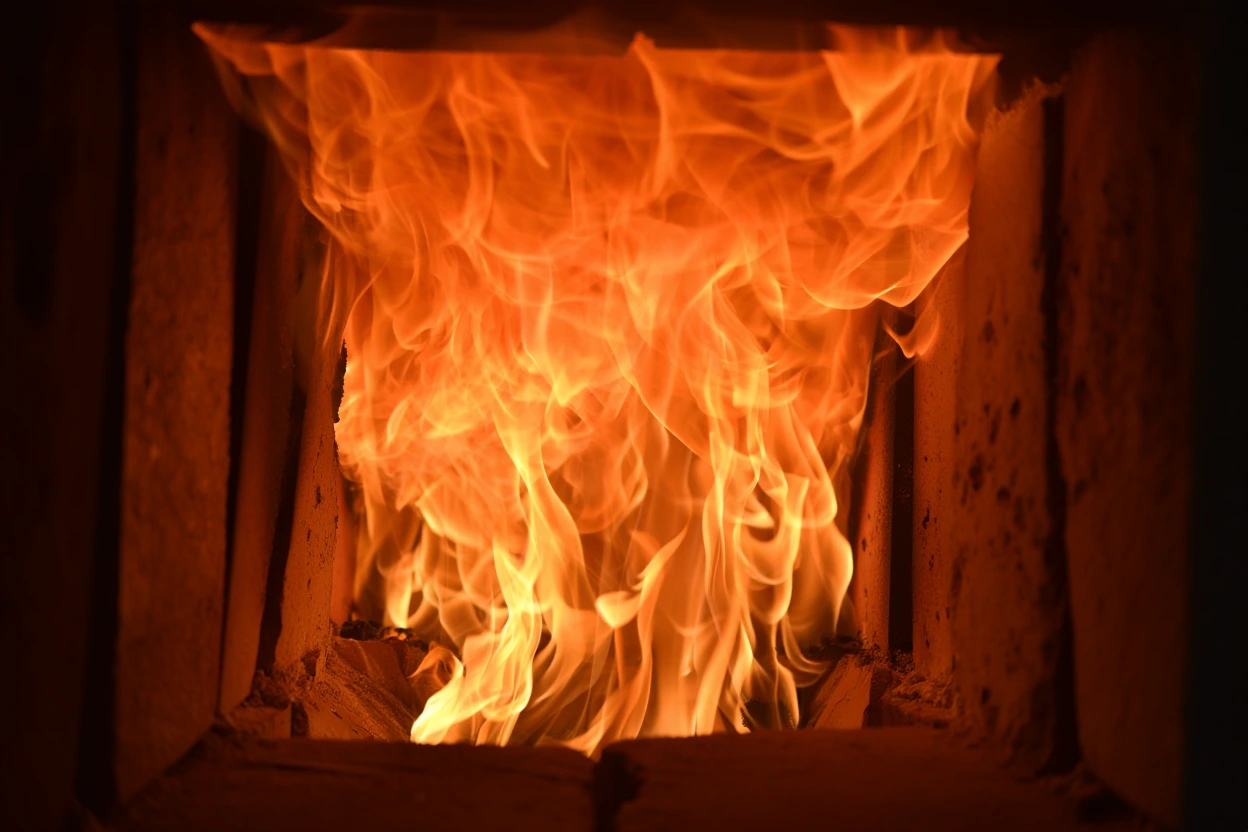
An industrial incinerator takes the opposite approach. Rather than biologically processing waste, it destroys it through combustion at high temperatures. This produces sterile ash, EPA-regulated flue gas emissions, and heat. In many cases, the ash left behind is only around 3 to 5 percent of the original waste volume.
For processors that handle difficult or regulated waste streams, incineration brings speed, certainty, and strong biosecurity performance. It is especially valuable when complete destruction is more important than resource recovery.
Best Fit for Incinerators
- Bones
- Feathers
- Hair
- Hides
- Mixed solid waste
- High-risk animal byproducts
- Materials unsuitable for microbial digestion
Facilities that need direct thermal disposal, rapid reduction, and high pathogen kill often lean toward industrial incinerators, especially when their waste stream includes solids that cannot be handled effectively by biological systems.
Cost and Efficiency Comparison
Cost and efficiency are usually the deciding factors in the biodigester vs. incinerator discussion. Equipment price matters, but installation, utilities, disposal costs, maintenance, labor, and how each system affects plant operations often have a bigger long-term impact.
Where Biodigesters Create Value
A biodigester can reduce or eliminate the need to haul wet waste off-site. By converting organics into treated liquid, it can cut tipping fees, storage needs, and transportation frequency. Systems with advanced treatment capability may also improve water reuse, reducing utility costs and opening the door to more efficient closed-loop operations.
Where Incinerators Create Value
Incinerators generally require higher sustained energy input because combustion temperatures must be maintained. However, they deliver extremely fast reduction and can manage waste streams that would otherwise require specialized handling or regulated disposal.
| Feature | Aerobic Biodigester | Industrial Incinerator |
|---|---|---|
| Primary Goal | Streamlined liquid disposal and recovery | Total biosecurity and volume reduction |
| Waste Type | Soft organics, meat scraps, fats, produce, soft offal | Solids, bones, offal, mixed waste, high-risk materials |
| Byproduct | Treated liquid effluent | Sterile ash |
| Emissions Profile | No combustion, oxygen-based process | Controlled flue gas and heat |
| Energy Needs | Lower, based on aeration and mixing | Higher, based on continuous burn input |
| Operational Style | Continuous processing | Rapid thermal destruction |
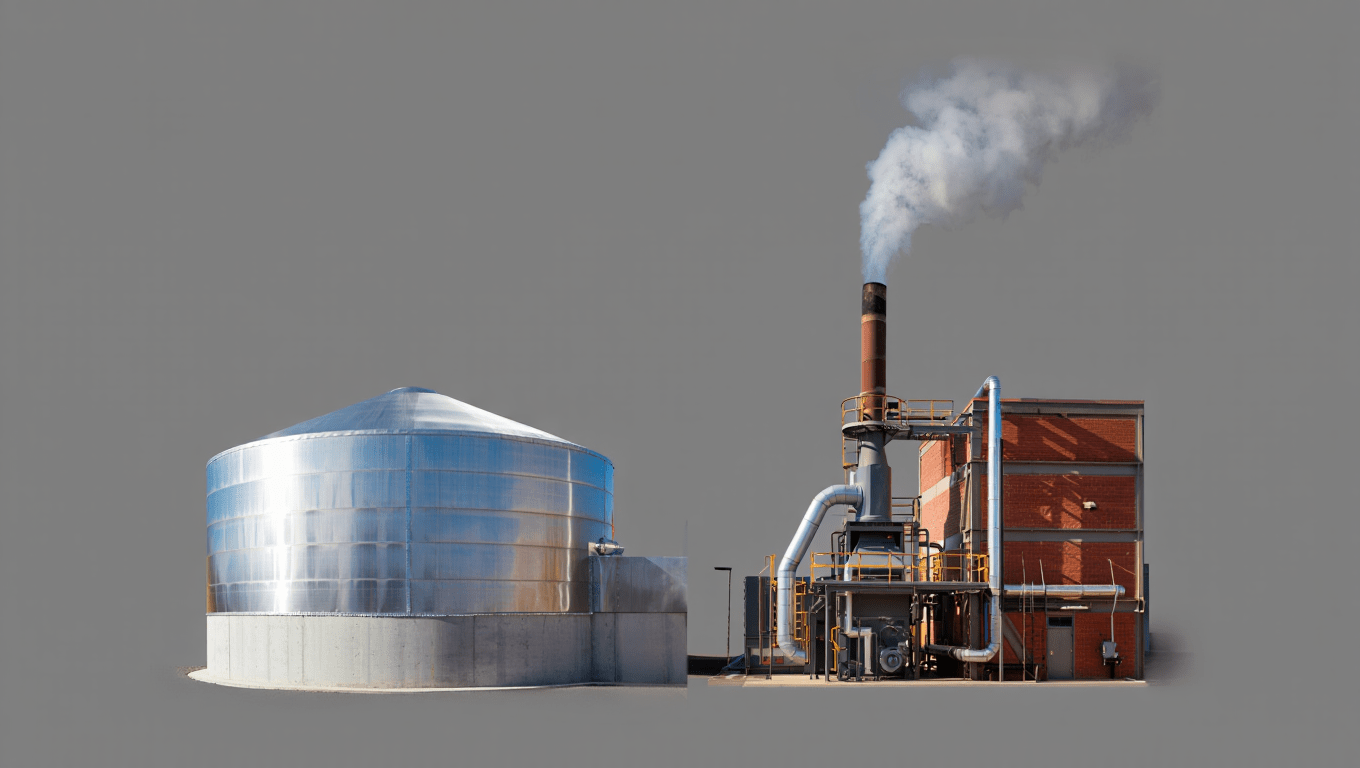
When to Choose a Biodigester
A biodigester is often the stronger option when the waste stream is mostly soft organic material and the facility wants to simplify daily waste handling while improving resource efficiency.
Choose a Biodigester When
- Your waste is mostly produce, fats, meat scraps, or soft offal
- You want to reduce or eliminate waste hauling
- You want to reduce dependence on large sewer infrastructure
- You are interested in water reuse or closed-loop processing
- You need a compact continuous-load system
- You want a quieter oxygen-based process with no methane production
Operational Benefits of Biodigesters
- Less wet waste storage on-site
- Cleaner production areas
- Reduced clutter and odor around work zones
- More efficient waste handling workflow
- Potential long-term savings on hauling and utilities
For many processors, the biggest advantage is that waste can be fed into the system as it is produced rather than being stored in bins for later removal. That helps improve sanitation and workflow at the same time.
When to Choose an Incinerator
Incinerators are usually the better fit when a facility needs total destruction of solids, high-risk byproducts, or materials that microorganisms cannot process effectively.
Choose an Incinerator When
- You handle bones, feathers, hair, hides, or mixed solids
- You process regulated or high-risk byproducts
- Pathogen destruction is the top priority
- You need the smallest possible final waste volume
- Your waste is unsuitable for biological digestion
- You want direct thermal disposal
Operational Benefits of Incinerators
- Rapid destruction
- Strong total biosecurity
- Very small final ash volume
- High certainty for difficult waste streams
- Less reliance on external specialty disposal routes
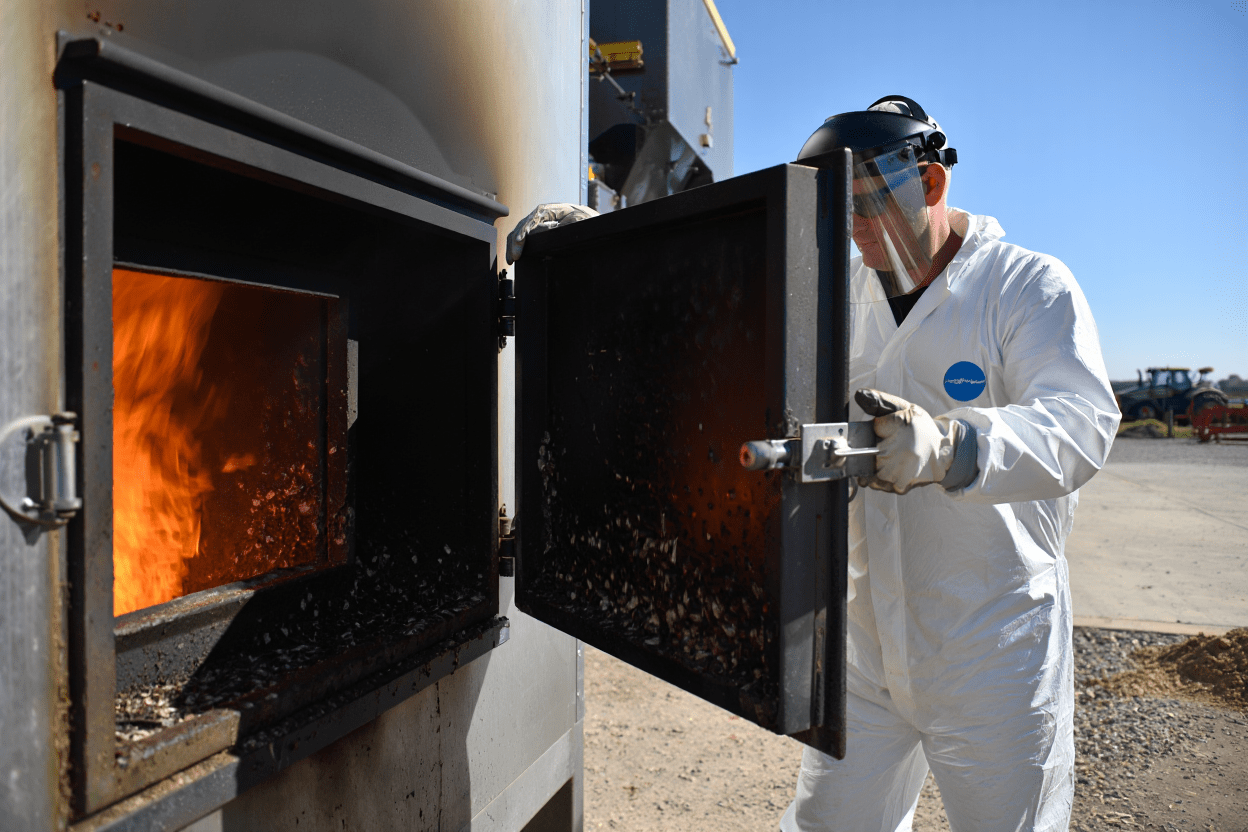
Environmental Impact of Biodigesters and Incinerators
Environmental performance is another major consideration. Biodigesters reduce waste hauling, operate without methane production, and may support water reuse depending on the treatment system. That makes them attractive for facilities focused on sustainability, utility efficiency, and lower handling demands.
Environmental Strengths of Biodigesters
- No methane production in aerobic systems
- Reduced hauling frequency
- Lower landfill dependency
- Lower energy use than combustion-based systems
- Potential for water reuse or closed-loop processing
Environmental Strengths of Incinerators
- Major waste volume reduction
- Reliable destruction of hazardous material
- Reduced storage burden for difficult waste streams
- Potential for heat recovery in some system designs
The tradeoff is straightforward. Biodigesters prioritize recovery and reduced handling. Incinerators prioritize elimination and biosecurity through combustion.
How to Decide Between Liquid Output and Sterile Ash
For many facilities, the decision comes down to one simple question: do you want to recover resources or eliminate waste entirely?
If your operation handles mostly soft organics and you want to reduce hauling while reclaiming water, a biodigester may deliver the cleaner and more efficient process. If your operation must destroy hard solids or high-risk materials with maximum certainty, an incinerator is usually the stronger fit.
Questions to Ask Before Choosing
- Is your waste stream mostly soft organics or high-solid byproducts?
- Do you want to discharge, reuse, or fully eliminate waste?
- Is pathogen destruction your top concern?
- Are you trying to reduce hauling costs or maximize elimination?
- Do you want continuous processing or batch destruction?
- Will the system need to handle bones, hides, or contaminated materials?
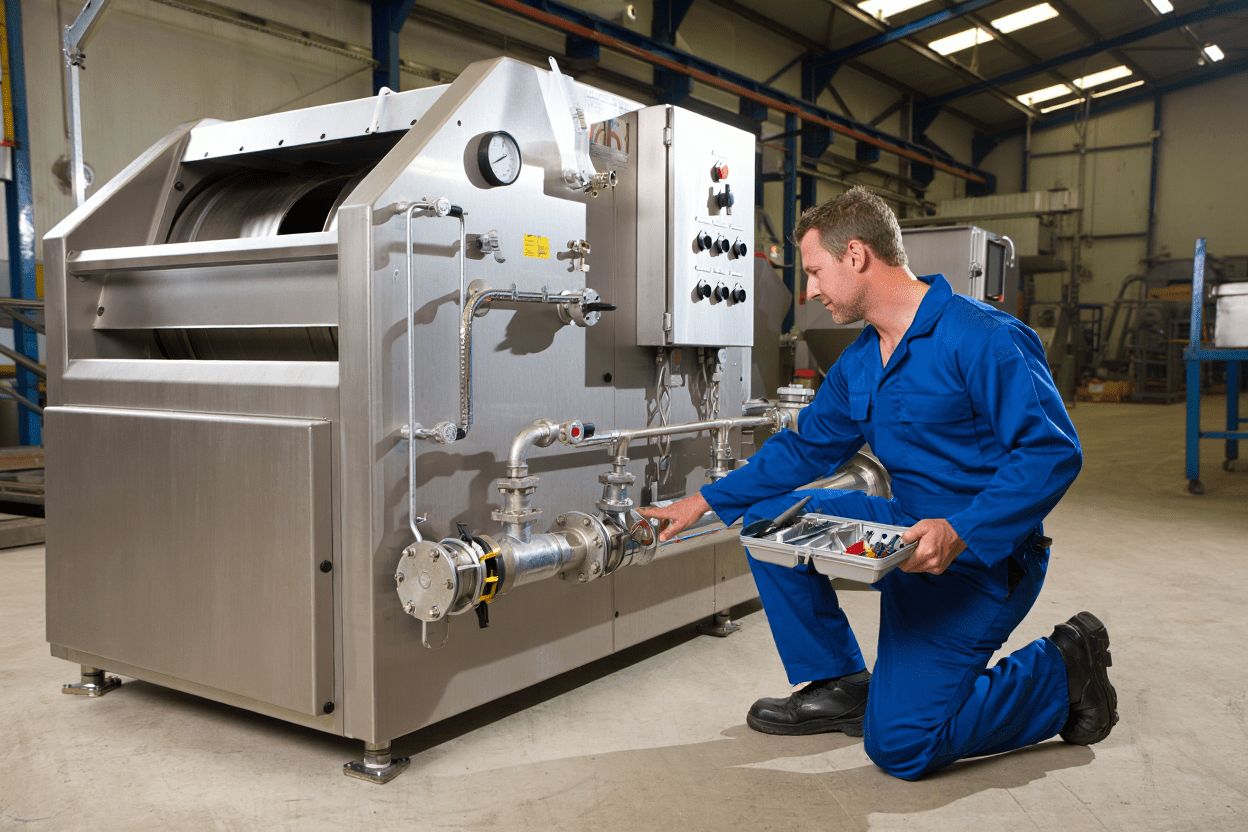
Frequently Asked Questions
What is the biggest difference between an aerobic biodigester and an incinerator?
A biodigester converts organic waste into treated liquid that can be reused or discharged, while an incinerator burns waste into sterile ash.
Do aerobic biodigesters produce methane?
No. They use oxygen-based digestion and produce no biogas or methane.
Which system is better for bones and hard byproducts?
An incinerator is better because hard materials are not suited for microbial digestion.
Can biodigesters work without a sewer connection?
Yes. Advanced systems can treat effluent on-site, remove collagen, and reduce organic load to enable reuse or highly refined output.
Which option helps reduce waste hauling?
Biodigesters reduce hauling by converting waste into treated liquid and enabling on-site processing.
Which system offers better biosecurity?
Incinerators typically offer stronger total biosecurity because they destroy waste through sustained high temperatures.
Upgrade Your Waste Processing Strategy with Bierman Equipment
Selecting the right waste processing solution is a major capital decision. Whether your facility needs biological processing with water recovery or complete thermal destruction, Bierman Equipment provides industrial-grade systems designed for modern processors.
Our solutions help facilities improve sanitation, reduce handling burdens, and align waste processing with long-term operational goals. Learn more about Bierman Equipment’s background in industrial waste processing equipment, or connect with our equipment specialists to discuss the right fit for your operation.